Direct TPMS vs Indirect iTPMS: The Evolution and Future of Tire Pressure Monitoring
Introduction
Tire pressure monitoring has moved from a regulatory checkbox to a foundational pillar of modern vehicle safety architecture. With autonomous driving systems demanding real-time, reliable inputs from every corner of a vehicle, how a car detects an underinflated tire is no longer a peripheral concern – it sits at the intersection of safety engineering, software development, and regulatory compliance. This article examines the two dominant approaches – Direct TPMS (dTPMS) and Indirect iTPMS (iTPMS) – their technical trade-offs, and why the industry is accelerating toward software-defined tire monitoring.
The Core Difference: Hardware vs Software
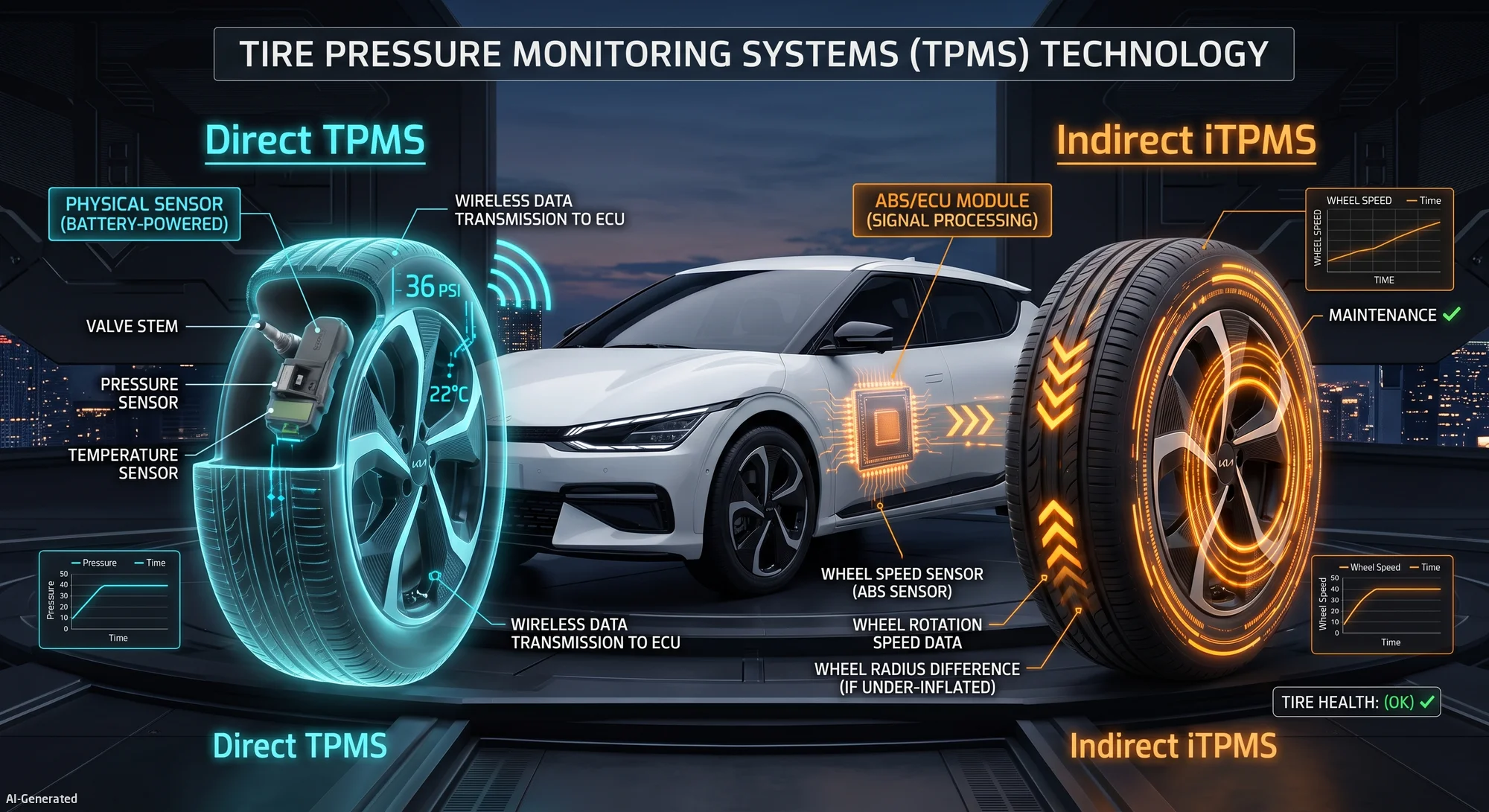
Direct TPMS (dTPMS) places a battery-powered pressure sensor inside each wheel. The sensor transmits absolute pressure and temperature readings wirelessly to the vehicle’s ECU, triggering a dashboard warning when pressure falls below a defined threshold. The approach delivers precise, individual tire data in real time.
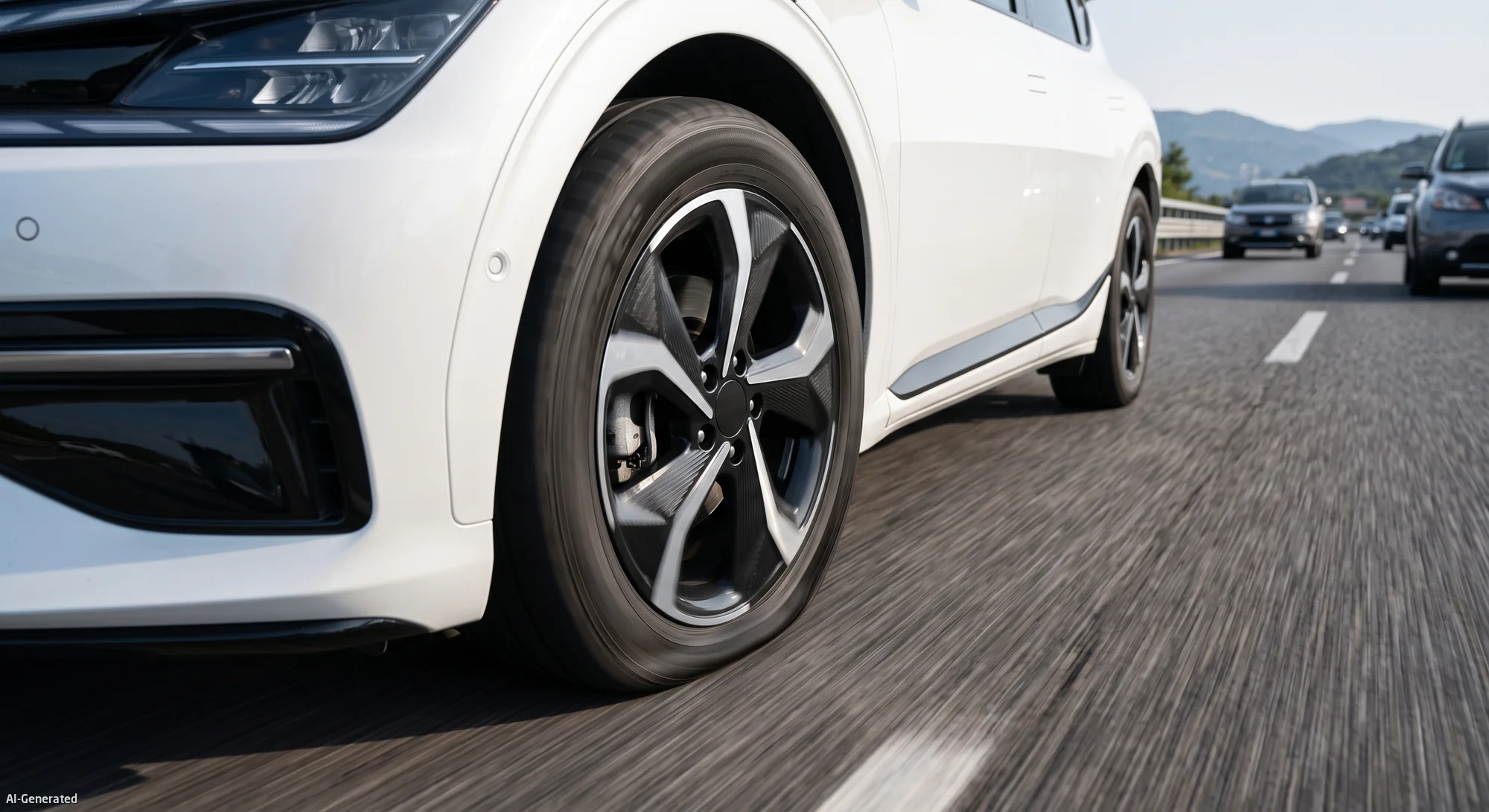
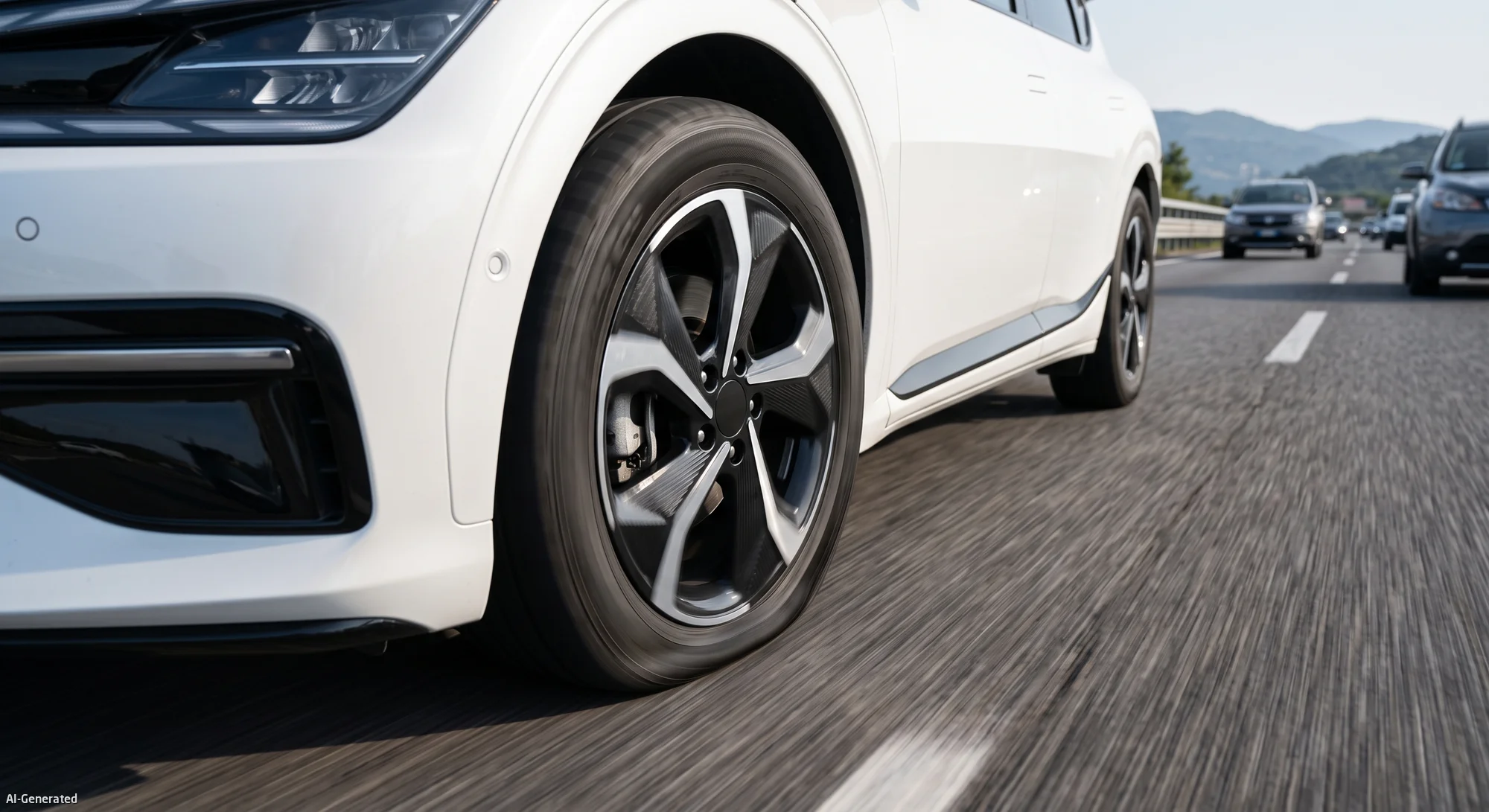
Indirect TPMS (iTPMS) takes a fundamentally different path: no sensors inside the wheels. Instead, it analyses data already flowing through the vehicle’s ABS and ESC systems. When a tire loses pressure, its rolling radius decreases and its rotation frequency increases relative to the other wheels. Software algorithms detect this deviation and infer which tire is underinflated.
The trade-off is structural. dTPMS provides absolute measurement accuracy but introduces hardware dependencies: sensors degrade, batteries expire (typically within 5-10 years), and sensor units can be damaged during tire changes, creating recurring maintenance costs and supply chain complexity. iTPMS eliminates the in-wheel hardware but, in its traditional form, cannot detect a simultaneous equal loss of pressure in all four tires – a known limitation documented by industry safety organizations like NHTSA.
Why It Matters for ADAS
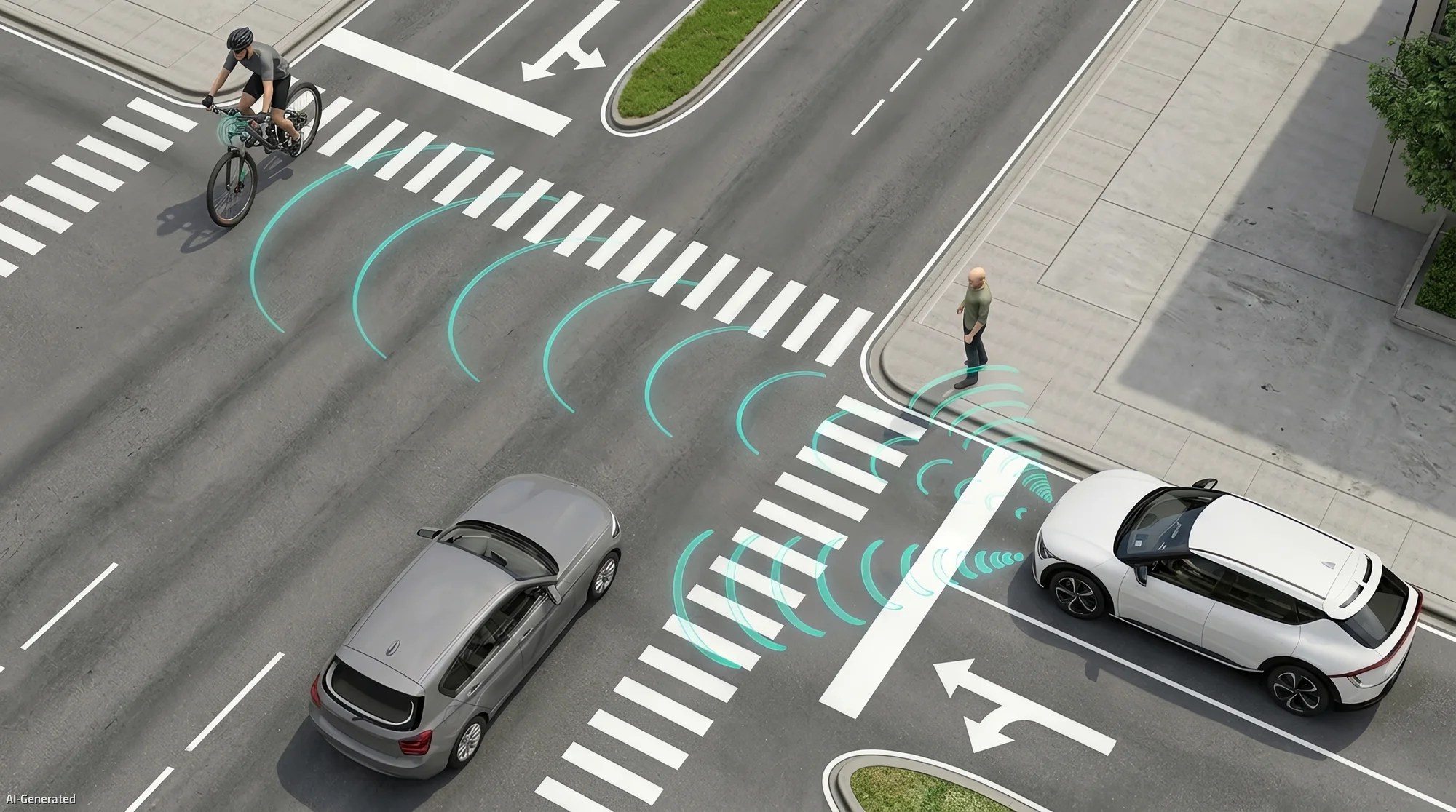
Tire state is not a standalone metric. In an ADAS or autonomous driving context, tire pressure data informs braking distance calculations, lane-keeping stability, traction control response, and emergency manoeuvre execution. A tire operating at sub-optimal pressure alters the vehicle’s dynamic behaviour in ways that affect every safety-critical system downstream.
In June 2026, the UNECE World Forum for Harmonization of Vehicle Regulations (WP.29) adopted the world’s first global regulatory framework for fully driverless Automated Driving Systems (ADS). The framework explicitly requires deep integration of all vehicle safety subsystems – tire condition included – into the ADS safety management layer. This regulatory pressure is compelling OEMs to re-evaluate architectures that treat TPMS as an isolated warning system rather than a live data feed.
This is where software-based approaches become strategically significant. The DAI – Virtual Sensor Platform by Easyrain (easyrain.it/dai) represents this design philosophy in its most advanced form. DAI’s Virtual Sensor iTPMS detects underinflation by analysing vehicle dynamics – identifying the specific tire without any additional hardware, operating entirely within the vehicle’s existing ECU infrastructure, and remaining unconstrained from tire brand or type.
Key Market & Safety Data
- The National Highway Traffic Safety Administration (NHTSA) estimates approximately 11,000 tire-related crashes occur annually in the United States, resulting in more than 511 fatalities recorded in 2024.
- In Europe, the European Transport Safety Council (ETSC) reports that defective tires contributed to 201 killed or seriously injured (KSI) casualties in the UK in 2025, a 19% year-on-year increase.
- Under FMVSS 138, dTPMS systems are only required to alert a driver when pressure drops 25% below the recommended cold inflation level. Industry engineers note that at this threshold, tire structure may already have sustained measurable damage, and wet-surface braking distances are already compromised.
- As of July 6, 2024, UNECE Regulation No. 141 (UN R141) expanded its mandatory scope to include all new trailers in the EU, requiring TPMS compliance across a broader range of vehicle categories.
The Shift Towards Virtual Sensors
The evolution of iTPMS from a basic ABS-speed comparison tool into a true virtual sensor platform has been driven by advances in signal processing and vehicle dynamics modelling. Modern virtual TPMS solutions – sometimes labelled vTPMS – use calibration algorithms that account for road surface variability, vehicle load, ambient temperature, and tire aging. Industry research demonstrates that AI-enhanced virtual sensors can deliver absolute pressure estimations without a single physical component inside the wheel.
Compliance is no longer a barrier. Current vTPMS implementations are capable of meeting the requirements of UN R141-02, operating within existing ECUs and eliminating hardware dependencies entirely. This architectural advantage also addresses an emerging cybersecurity concern: research has shown that the unencrypted wireless signals broadcast by dTPMS physical sensors can be intercepted to track vehicle movement patterns – a privacy vulnerability that software-only systems do not share.
Easyrain’s approach to this challenge extends beyond tire pressure alone. The AIS – Active Safety System (easyrain.it/ais) uses the same vehicle-dynamics awareness to actively restore grip in real-world conditions where conventional ABS and ESC cannot intervene, while the ERC – Cloud Infrastructure (easyrain.it/erc) aggregates road and vehicle data across fleets, enabling predictive maintenance and real-time safety intelligence at scale.
What to Expect Next
The trajectory is clear: tire monitoring will consolidate into the broader vehicle sensing layer. Hardware sensors will retain a role in specialised high-precision applications – heavy commercial vehicles, racing, and fleet operations requiring individual axle-load compliance. For the mass market, particularly for passenger vehicles within ADAS and ADS frameworks, software-defined approaches will become the default.
Regulatory alignment is accelerating this shift. The 2026 UNECE ADS framework, combined with the expanded scope of UN R141, creates both the technical mandate and the market incentive for OEMs to adopt solutions that are scalable, maintainable, and natively integrated with the vehicle’s intelligence layer. Virtual sensor platforms that deliver tire pressure, wear estimation, misalignment detection, and road surface classification from a single software stack represent the direction the industry is moving – not as a future aspiration, but as a present engineering reality.